



Programmatic advertising is now the central way to purchase digital media content. It is no longer a side channel as it was before. In fact, Statista estimates the entire programmatic ad spend market to exceed $800 billion worldwide by 2028. That is a major rise from $640 billion in 2025. At such a massive scale, many things happen at once. Supply paths develop, privacy rules change, Connected TV (CTV) growth is taking place, and automation shifts the very core of relationships between advertisers, publishers, and AdTech networks.
Table of Contents
- Key Programmatic Advertising Trends At A Glance
-
Top 10 Programmatic Trends in 2026
- 1. Direct SSP-DSP Connections
- 2. Programmatic Video on YouTube
- 3. In-Game Advertising
- 4. Hyperpersonalization
- 5. Cookieless Targeting and Privacy-First Ads
- 6. Political programmatic ads
- 7. Cross-Channel Orchestration
- 8. Sustainable and Eco-Friendly Programmatic Buying
- 9. Connected Television (CTV) and Addressable TV
- 10. Digital Out-of-Home (DOOH) Advertising
- Conclusion
- FAQs
There is pressure coming from all around. The market is driven toward certain trends and innovations. Understanding those means the different between effective programmatic spend and lost budgets. That is why taking hold of ongoing market changes is crucial.
At BidsCube, our top analysts carefully track programmatic advertising trends. These provide invaluable insights and allow us to see how partners buy, sell, and route traffic across key AdTech segments. As a result, our experts can tweak and improve DSPs, SSPs, and Ad Exchanges. Besides, these shifts help us decide where to improve reporting, integrations, supply controls, and identity workflows.
This article reviews the ten top programmatic trends shaping the market now and explains what advertisers, publishers, and RTB partners should prepare for next.
CTA: See how BidsCube helps adtech partners run programmatic buying and selling with more control.
Key Programmatic Advertising Trends At A Glance
Use the summary table below as a quick map before reading the full trend list.
Programmatic Advertising Trends: Summary Table
| Trend | What Is Changing | Why It Matters |
| Direct SSP-DSP connections | Buyers and sellers reduce unnecessary intermediaries | Lower fees, cleaner supply paths, and faster auctions |
| Programmatic video on YouTube | Video budgets keep moving into automated buying | Better targeting and real-time optimization |
| In-game advertising | Ads appear inside gaming environments | Strong attention and native-feeling placements |
| Hyperpersonalization | AI and data triggers shape ad messages | More relevant ads across audience segments |
| Cookieless targeting | Third-party cookies lose reliability | Buyers need first-party data and contextual signals |
| Political programmatic ads | Campaigns use programmatic channels for voter outreach | More precise geographic and audience targeting |
| Cross-channel orchestration | DSPs manage reach across formats and devices | Better frequency control and clearer journeys |
| Sustainable buying | Buyers inspect carbon impact and supply paths | ESG rules enter media planning |
| CTV and addressable TV | Streaming TV grows as a programmatic channel | TV reach meets digital targeting |
| DOOH advertising | Outdoor screens use real-time data and automation | Contextual, location-based media becomes easier to buy |
Top 10 Programmatic Trends in 2026
Here are the ten programmatic trends that matter most for advertisers, publishers, and adtech platforms now.
1. Direct SSP-DSP Connections
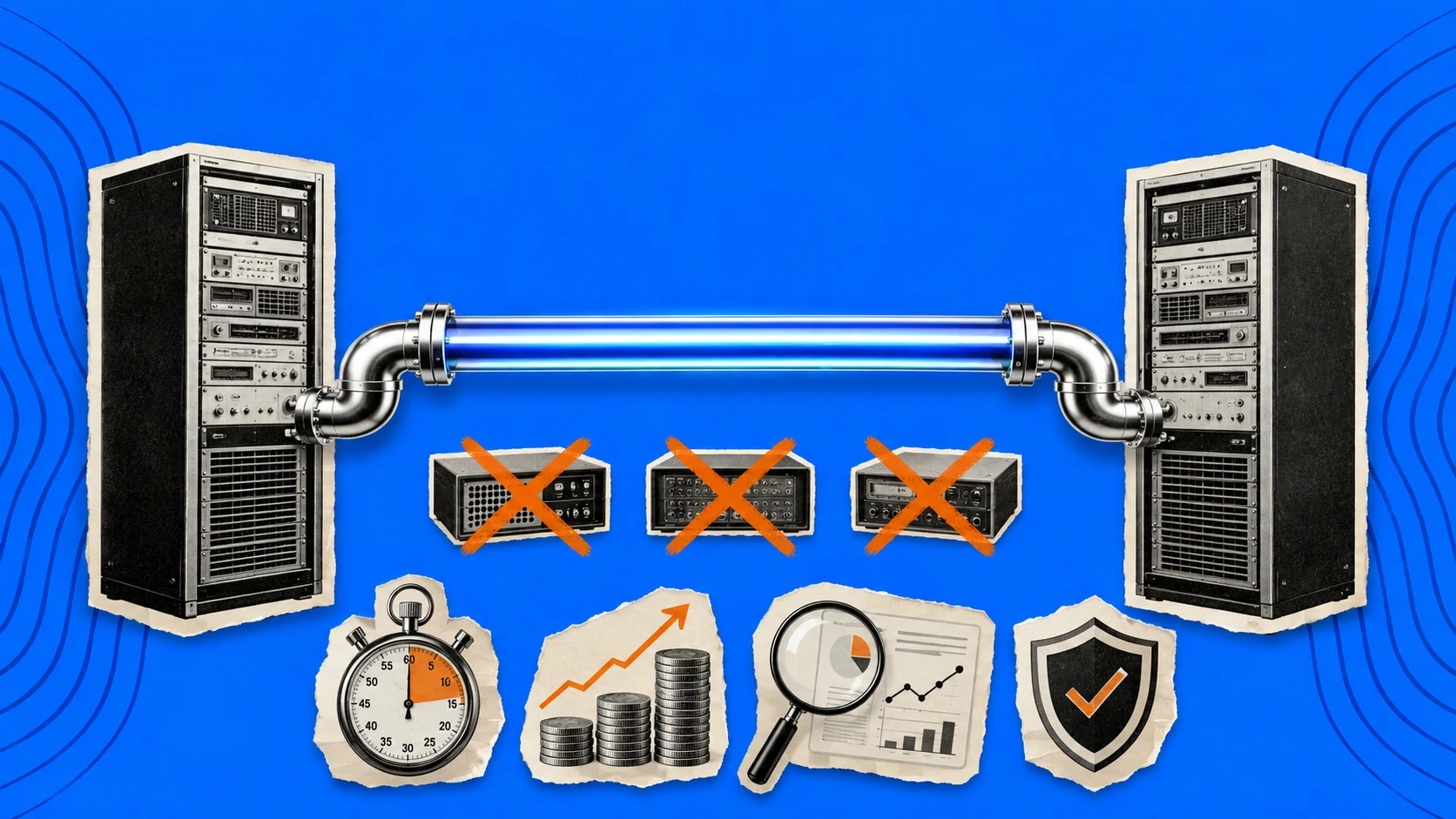
A main trend in 2026 is the direct connections between SSPs and DSPs, enabled by a mechanism that allows buyers to negotiate directly with sellers (also called publishers). With these direct integrations, the ad supply chain is more streamlined; latency drops and transparency increases, as they cut out many of the intermediaries.
Direct connections from SSP to DSP offer advertisers greater access and efficiency, enabling faster transactions and the potential to optimize their bids. This leads to a more accurate spend utilization and performance outcome. From the publisher standpoint, eliminating middlemen from access to demand helps prevent revenue loss to intermediaries, leads to higher eCPMs and creates a more consistent monetization model.
Direct connections adoption represents a strategy to optimize for performance, trust and operational efficiency, as the programmatic ecosystem matures throughout 2026. These integrations are much more than a trend, they are the new gold standard for how programmatic advertising works and the way things will be done to ensure value and control across all parties involved.
Direct SSP-DSP integrations also fit the wider move toward cleaner supply paths. A BidsCube SSP connection gives publishers and supply owners more control over monetization rules, while a BidsCube DSP connection helps buyers manage bidding, targeting, and reporting from the demand side.
This is one of the programmatic advertising market trends that affects both margins and trust. Fewer unclear hops usually means fewer hidden costs and fewer reporting gaps.
2. Programmatic Video on YouTube
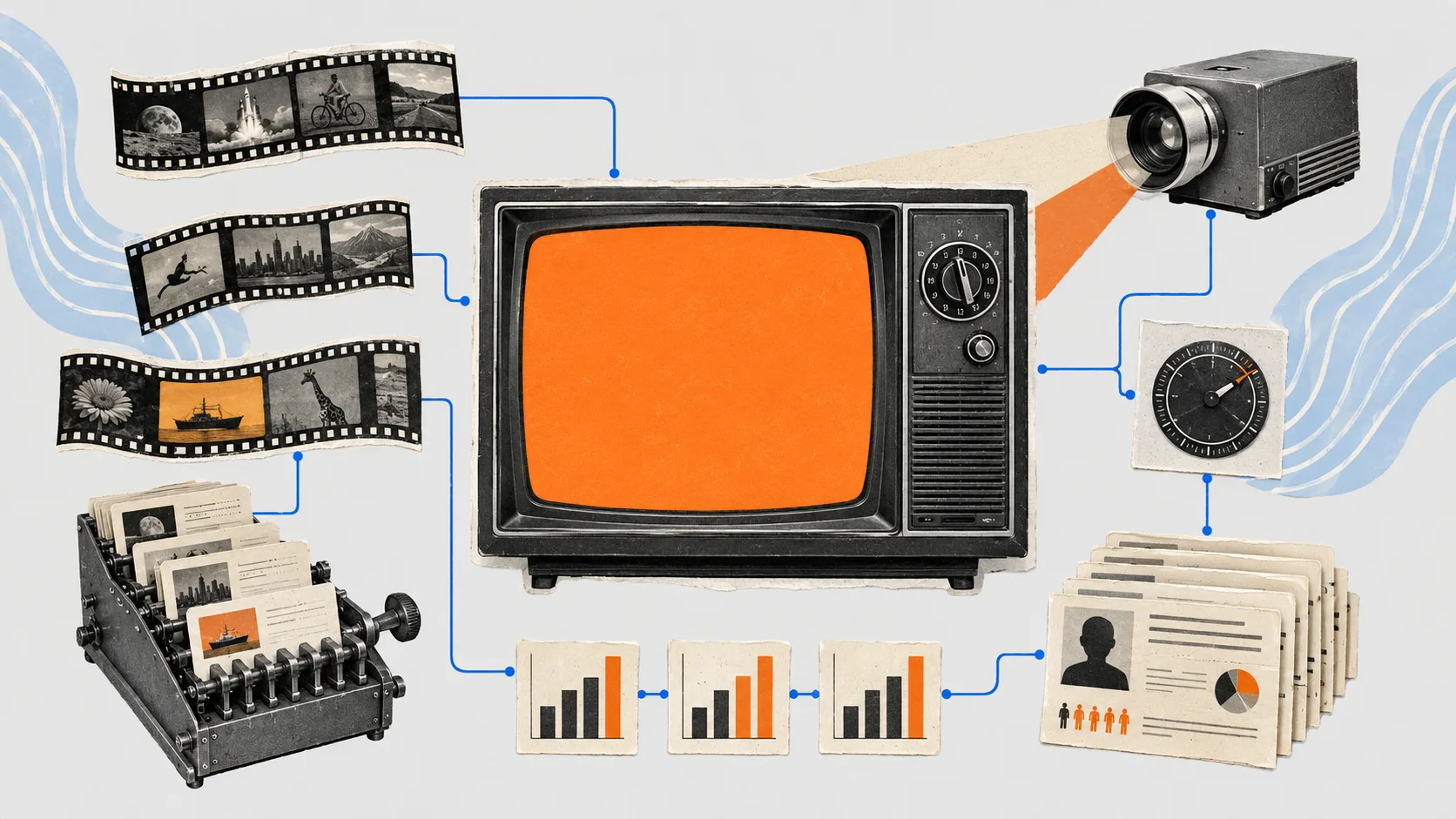
In fact, video continues to be one of the largest programmatic formats as it combines reach, attention and bottom-line tracking. In 2026, programmatic video accounts for a large share of ad spend, but YouTube remains one of the largest video ad platforms.
- Higher engagement. If that was not amazing, personalized videos hold on to your viewers for a longer time and is also great in terms of CTR.
- Real-Time Optimization. AI allows for dynamic adjustments. Video ads are optimized for performance.
- Targeted Reach. Brands can reach niche audiences more efficiently. As a result, each ad impression is more valuable.
These changes make video one of the core programmatic marketing trends, especially for brands that need both broad reach and controlled audience delivery.
3. In-Game Advertising
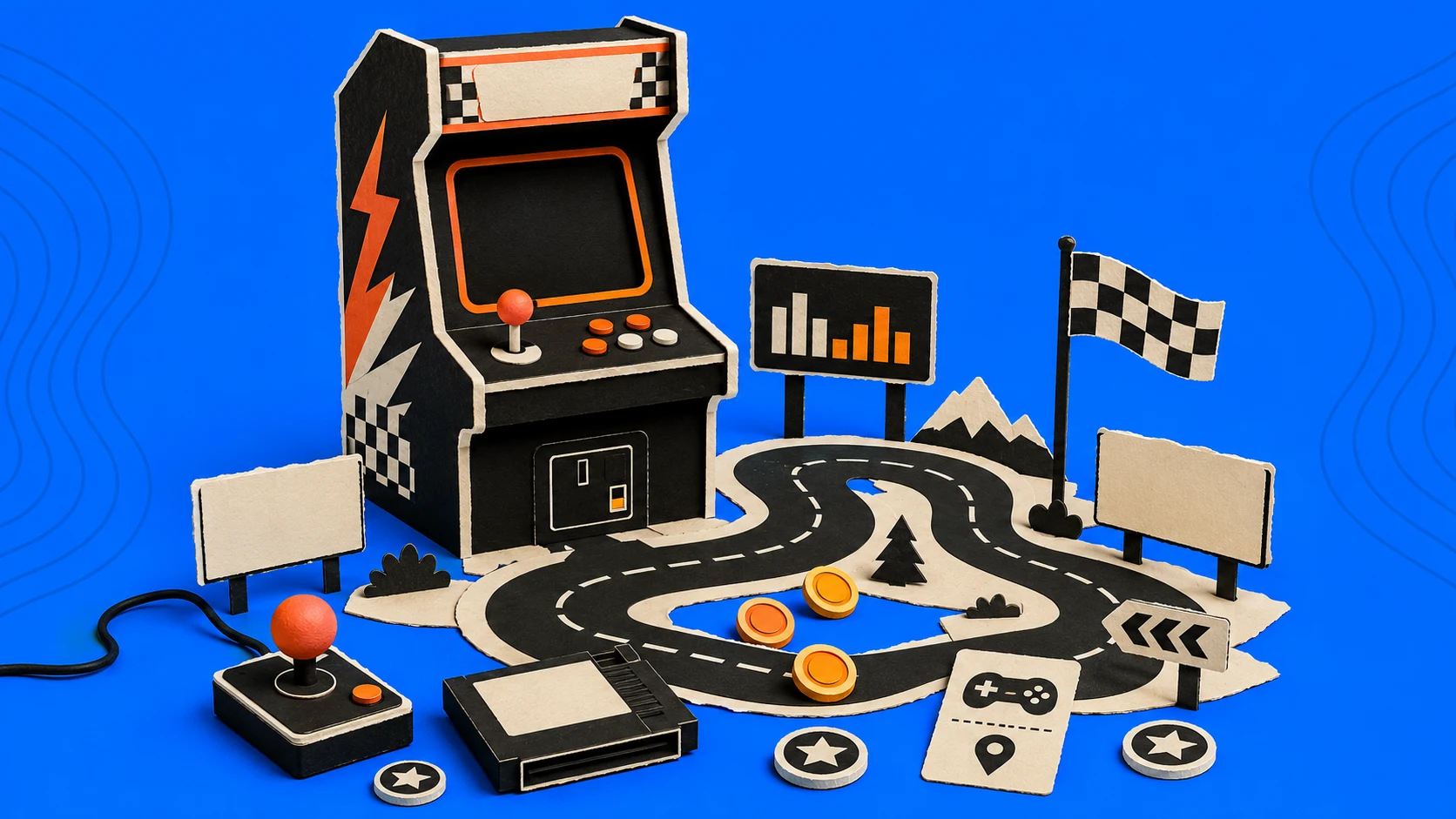
Gaming isn’t just for kids. Statista forecasts that in-game advertising will grow to $140 billion by 2025 – and then skyrocket to $140 billion worldwide by 2027. This kind of incline provides a unique opportunity for brands to engage with highly-interactive audiences in immersive settings. The interactivity of games makes them great channels for brands to create memorable ad experiences.
- Highly engaged users. Gamers have a vested interest in their games which results to higher engagement and better ad recall.
- Dynamic placements. These types of ads include in-game billboards, branded items or even sponsored events that seamlessly blend with the gaming environment itself.
- Targeted messaging. Brand ads can be targeted based on player demographics, behavior, or game genre.
In-game ads are an effective and immersive channel for boosting brand recall and fostering emotional connections with users. A billboard in a racing game containing a hallmark trailer for a new movie catered to the player.
This matters because gaming inventory now gives advertisers more than banner-style placements. It can support contextual relevance by game genre, player behavior, location, and session type. For programmatic mobile advertising trends, in-game media is especially important because mobile games already run at massive scale.
4. Hyperpersonalization
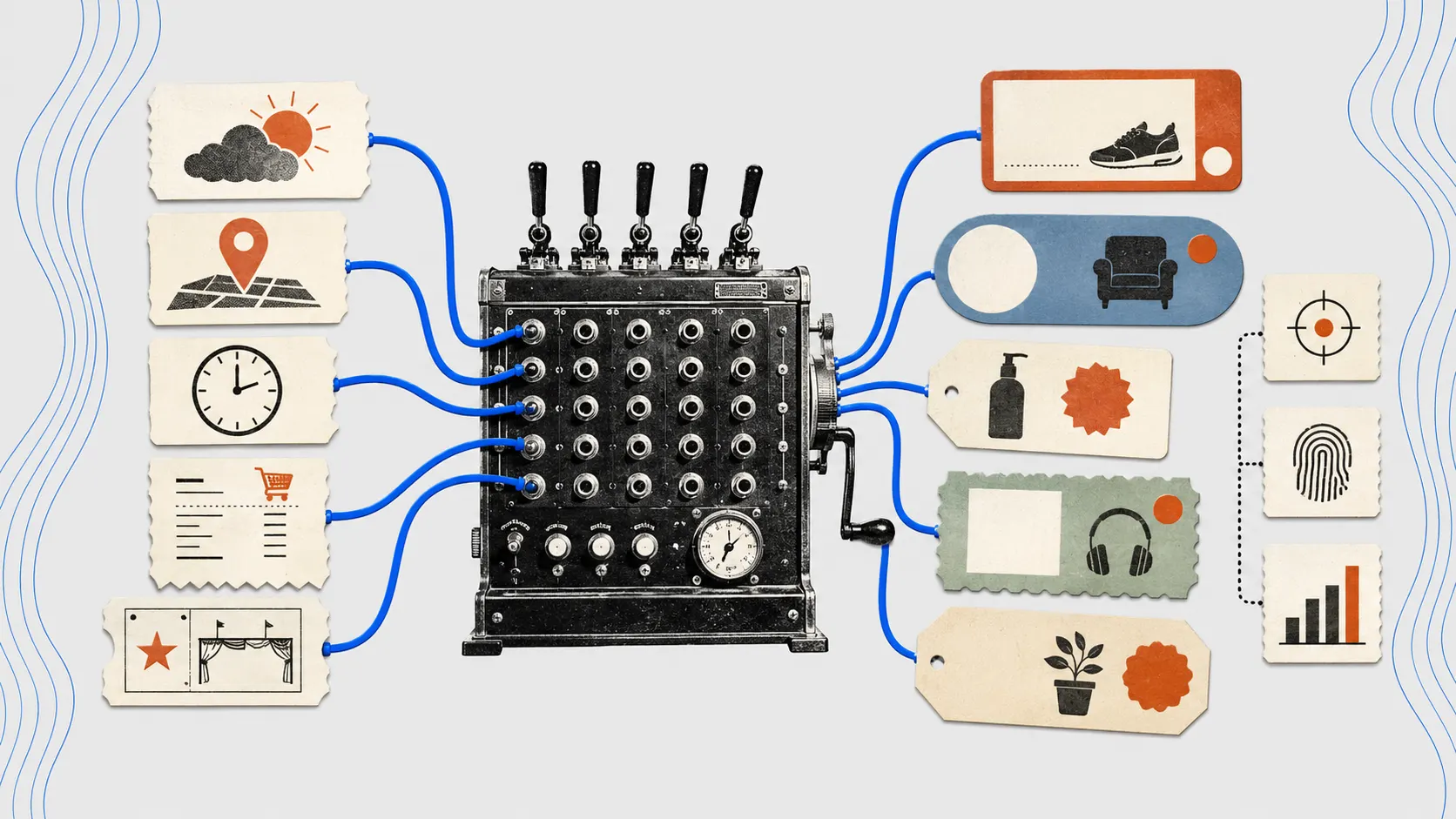
Generic ad messages waste impressions when better signals exist. Hyperpersonalization allows for a more nuanced adjustment to campaign messages using audience behavior, location, time and device data and context. And AI tools allow marketers to run laser-focused ads based on individual user behavior, location or preference. By 2026, brands will use a combination of data triggers, the weather, location, and even local events. All for the sake of more individualization
- Behavior-based targeting. With browsing and purchasing history, ads will be personalized accordingly.
- Location-specific ads. Brands will use geolocation data to provide hyper-relevant offers.
- Event-based personalization. It will use real-time triggers such as live sports games or festival days to develop timely and engaging ads.
With super-high relevance and a sense of personal touch, hyperpersonalized campaigns will inevitably drive better engagement and conversion rates in 2024.
For BidsCube partners, the practical goal is not personalization for its own sake. The goal is to connect available signals with bidding, creative, and reporting logic in a way that improves campaign decisions.
5. Cookieless Targeting and Privacy-First Ads
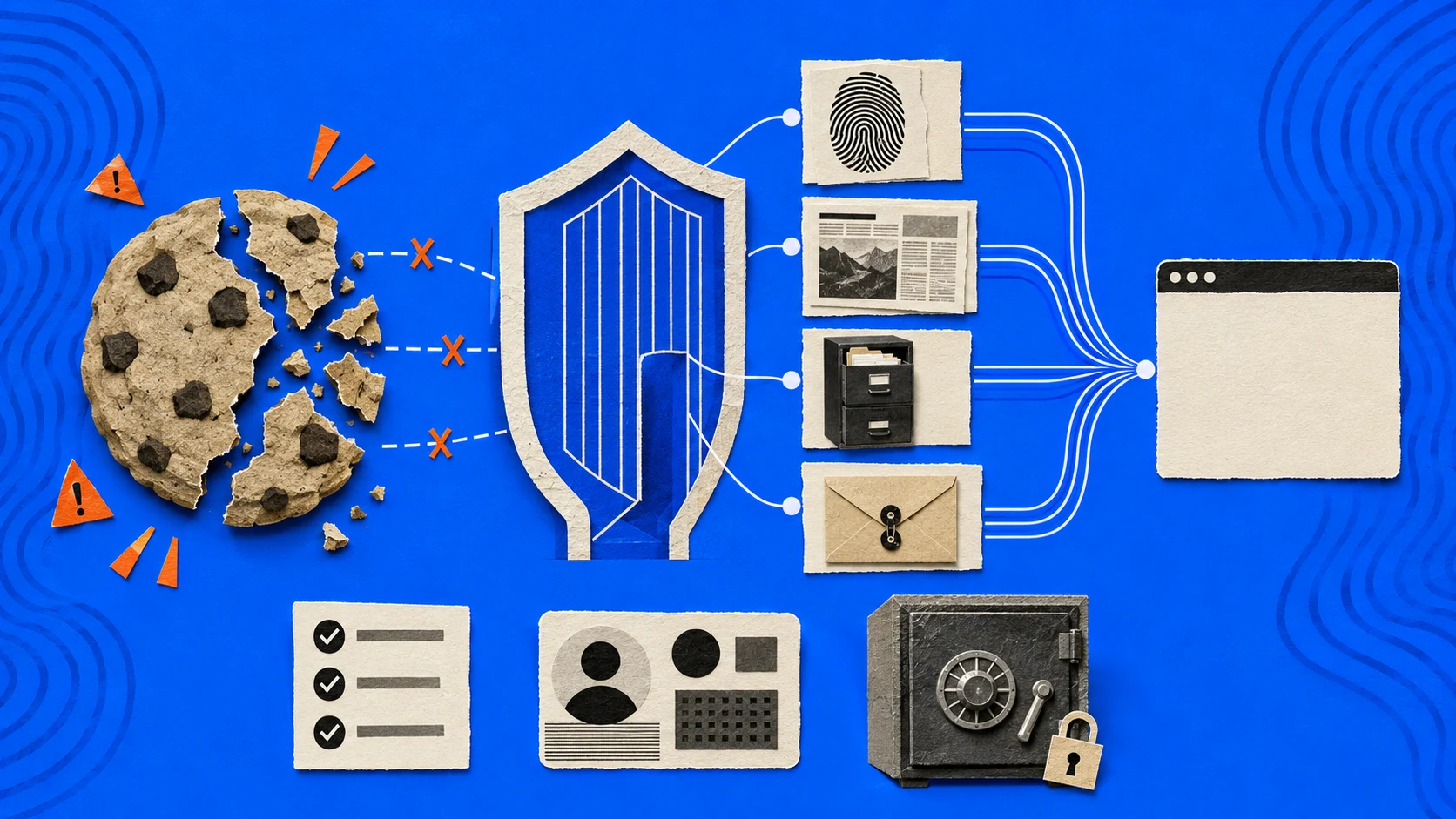
Cookieless targeting is still one of the central trends in programmatic advertising; however, the timeline is different. Google won’t be killing third-party cookies from Chrome with the earlier phase-out model as previously planned. Instead, user choice around cookies remains with Chrome; Google moves forward with privacy work in both Chrome and Privacy Sandbox-related tools.
Looking at first-party data means brands still can get insight from consumers, but they have more control of the flow of information as well realizing relationships are created. Booming and privacy-friendly, contextual targeting is one of the most relevant targeting opportunities that serve ads while users are consuming pages or content. Using unique Universal IDs eliminates the need to store and manage users’ data across services while ensuring continuous user identification, as they verify users from an independent source.
This might not mean that teams can pretend to forget about privacy-first targeting. Chrome users are still able to block or otherwise restrict tracking, while Safari and Firefox already impose third-party cookie limits. Before browser access weakens, advertisers require first-party data, context targeting, clean-room workflows and Universal ID tests.
The practical approach is mixed. Retain cookie-based addressability where it is effective, but develop targeting and measurement capabilities that are not reliant on third-party cookies.
Privacy Sandbox by Google is a cookieless solution allowing interest-based ad targeting without personal information, so that brands can reach their target audiences while preserving their privacy.
6. Political programmatic ads
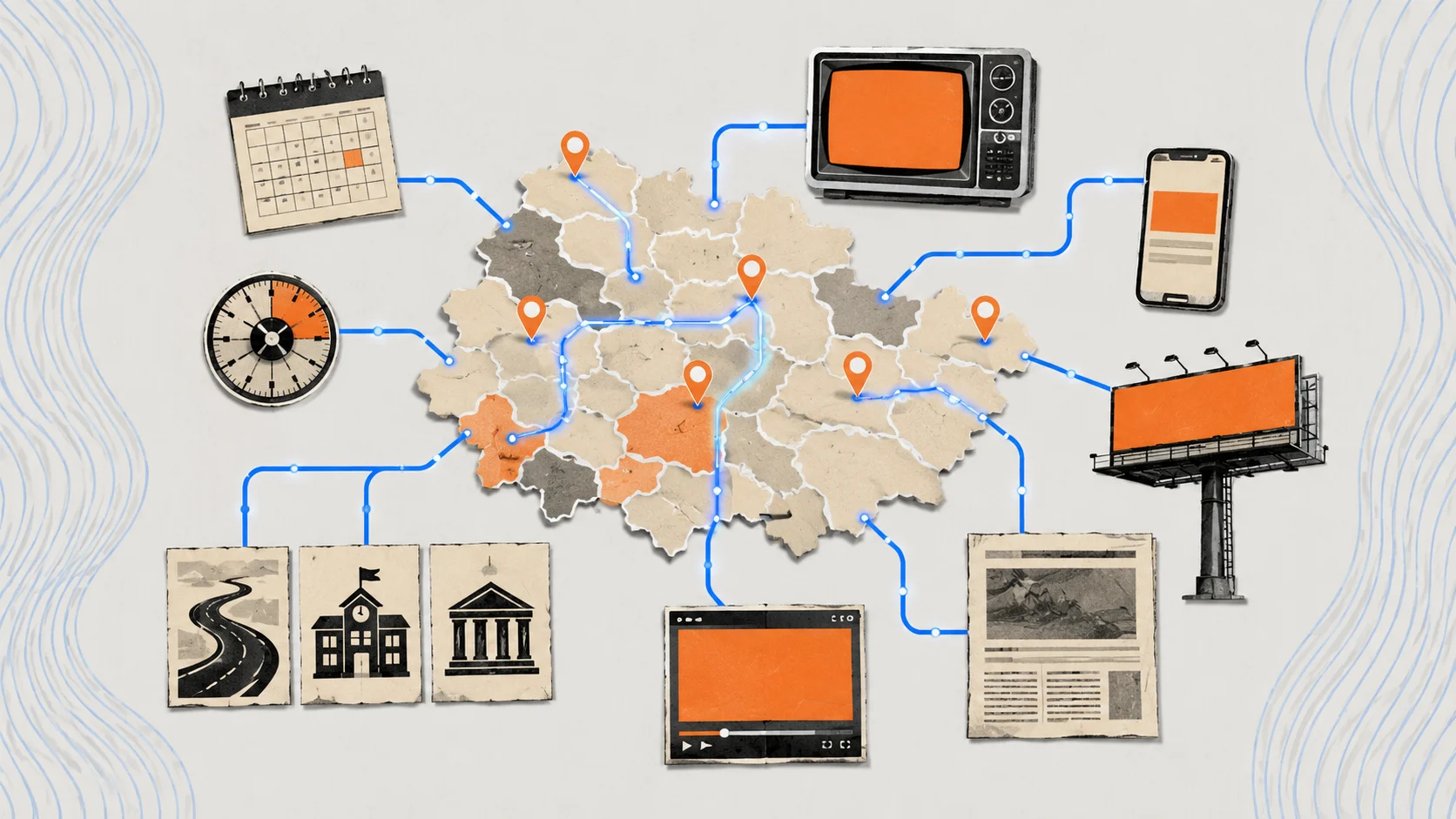
The key to political programmatic advertising staying in play is the immediacy of what campaigns need, how fast they can get it locally, and then the precise audience targeting with which to deliver it. Instead of a static “increase over 2024” assertion, center the trend around how media is shifting right now: from political teams accessing programmatic channels to reach voters on CTV, display, mobile, video and local inventory.
- Targeted campaigns. With programmatic technology, political campaigns can target voter segments based on their location, interests and behaviors.
- Real-time adjustments. Real-time data enables advertisers to tailor ads based on performance, ensuring messages are always up to date and relevant.
- Cost efficiency. Campaigns can avoid the wastage by optimizing ad placements and targeting.
Take for example, a local election campaign that runs on programmatic ads targeted to specific candidates using geographic data-driven insights so the message aligns with the current local issues.
Combined with the geographic and household-level targeting that digital tools can provide, this is what is making political media take CTV seriously as a medium. This gives it utility for localized elections, issue advocacy and targeting subsets of voters.
7. Cross-Channel Orchestration
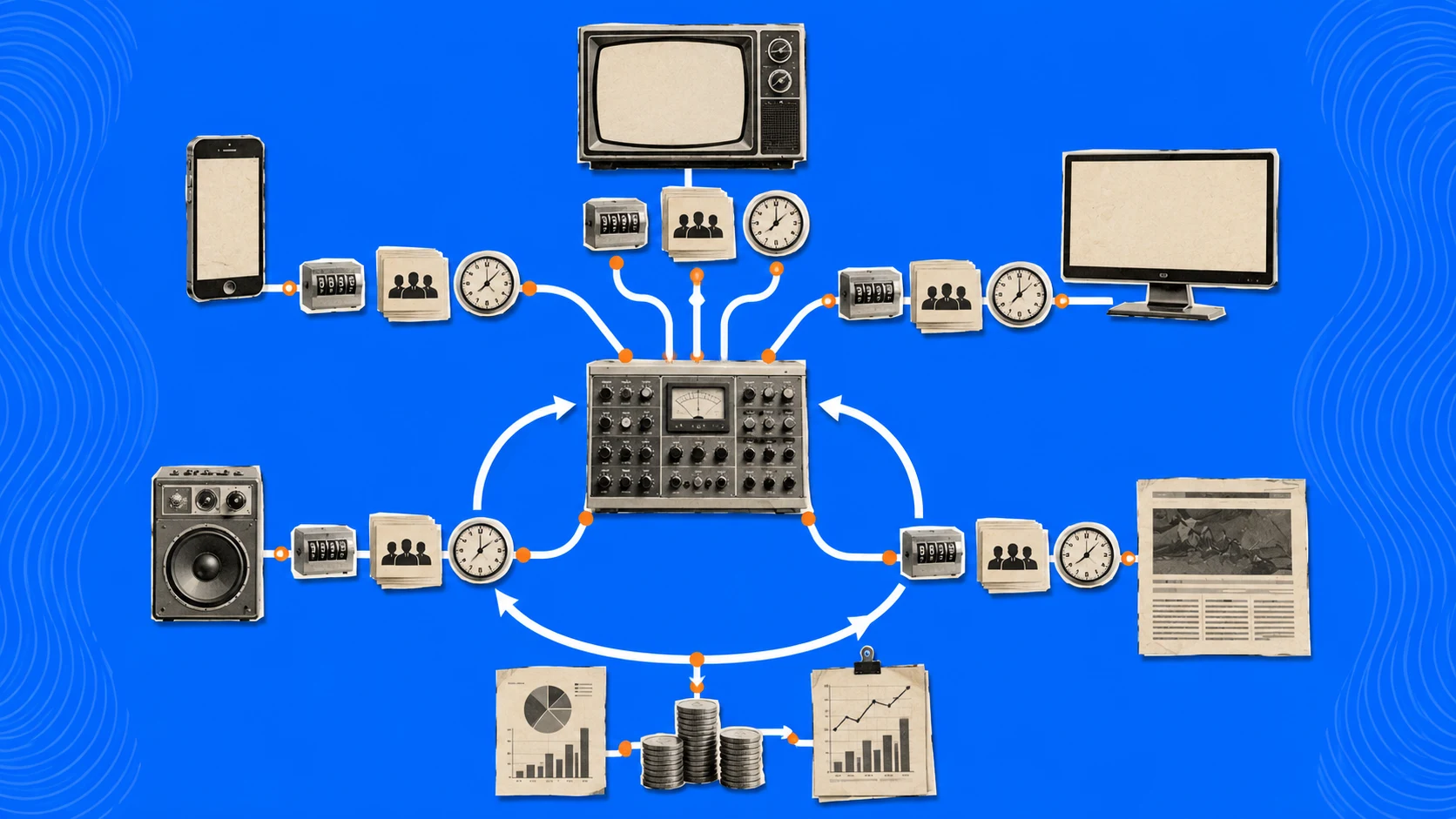
The key to brand success in 2026 will be the provision of a consistent consumer experience. Marketers are going to implement cross-channel orchestration to maintain consistency across various platforms and touchpoints. Consistent messaging. Cross-channel orchestration allows consumers to receive the same message on any channel they use.
- Consistent messaging. Brands can connect with users across multiple touchpoints by integrating different channels to continually engage the customer.
- Increased engagement. By integrating different channels, brands can interact with users at multiple touchpoints, keeping them engaged.
- Better brand recall. A unified experience across platforms will also help build better brand recall and loyalty.
Cross-channel marketing lays down a more seamless, engaging and user-friendly experience and inculcates virality in the brand, making it memorable and hence turning into a go-to destination due to its trust.
Specifically, a DSP is crucial for cross-channel orchestration by allowing buyers to coordinate frequency, audience exclusions, budget pacing and reporting across formats. And that matters when they run the same campaign across display, mobile, CTV, audio and native inventory.
This is one of the programmatic marketing trends that turns media buying from separate channel work into one coordinated system.
8. Sustainable and Eco-Friendly Programmatic Buying
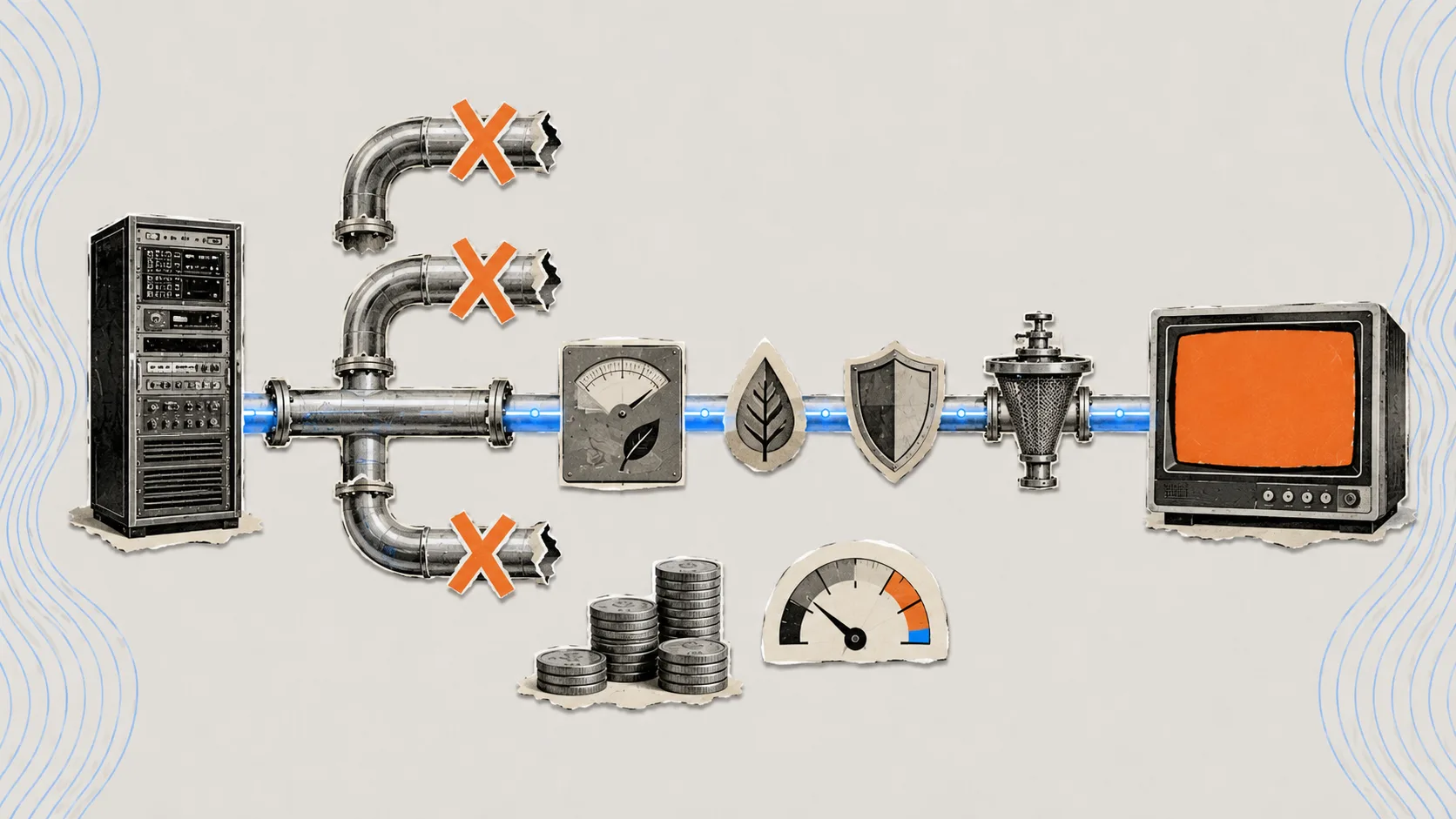
Sustainability is creeping into media buying through ESG criteria, procurement policies and even brand safety checks. Fewer advertisers often request vendors information about supply-path waste, carbon measurement and partner standards before allocating larger budgets. Many of those brands build sustainability metrics into their ad-buying processes to ensure that what they run aligns with their environmental objectives. The carbon footprint of their digital campaigns was tracked with sophisticated tools and by using data-driven insights, advertisers were adopting practices that reduced harm.
- Carbon tracking. Tools enable advertisers to track and measure campaign carbon emissions.
- Eco-friendly choices. Brands are opting for sustainable partners and platforms.
- Consumer alignment. Creating an environmentally responsible advertisement builds trust, a crucial element of long-term brand loyalty.
The way to more sustainable buying starts with basic steps for many programmatic teams: stopping useless intermediaries and clearing up supply paths, sharpening auction filtering and tuning down the volume of wasteful retargeting.
9. Connected Television (CTV) and Addressable TV
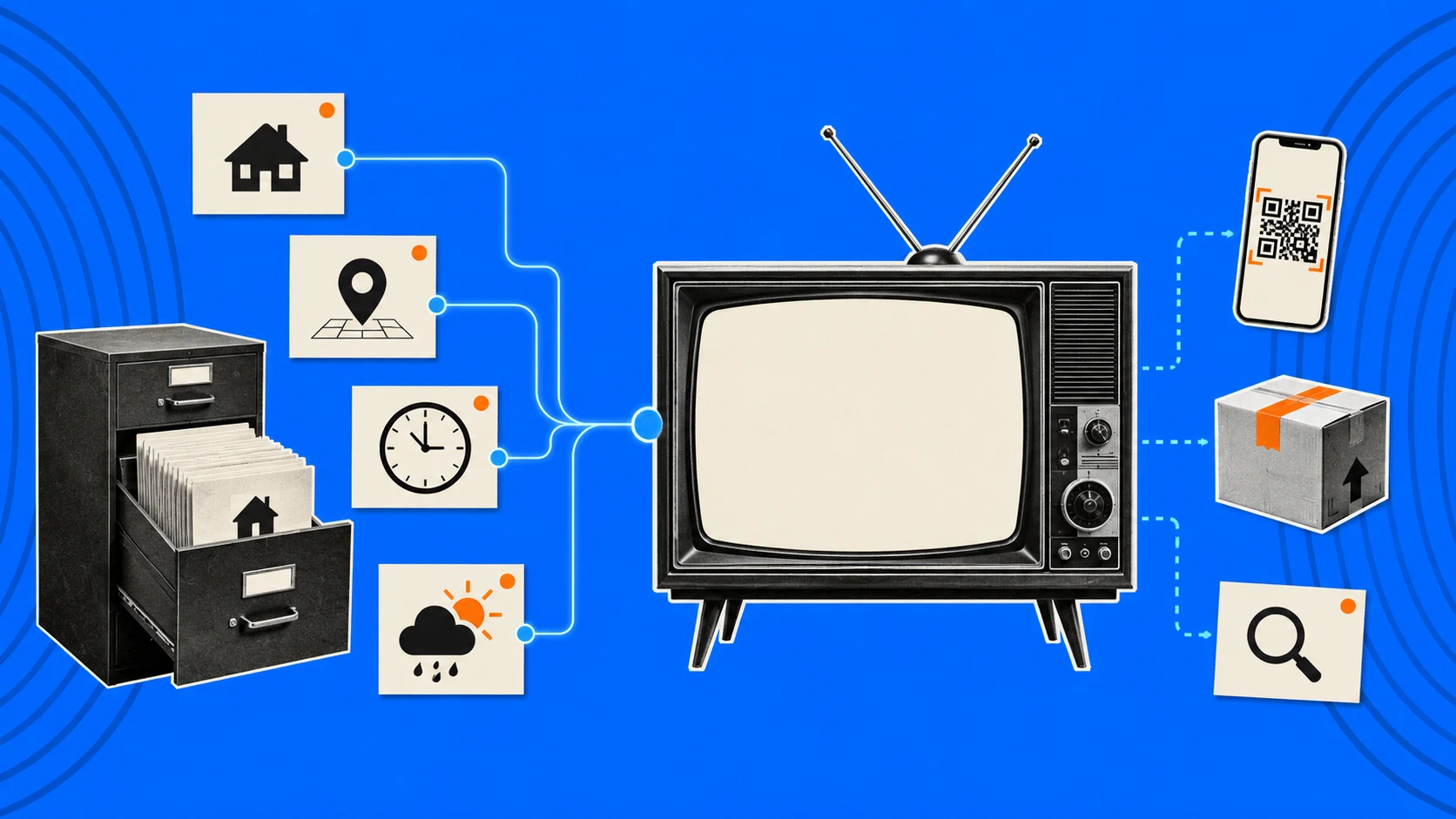
CTV remains the #2 fastest-growing programmatic channel. Statista projected that the US CTV display ad expenditure reached the $33.35 Billion in 2025 (as it turned out spot on) and will reach $46.89 Billion by 2028. In fact, 2023 was the year when CTV finally overtook traditional TV ad spending in dollars. The expertise required to deliver deeply relevant personalized content straight into consumer hands allows brands to deliver even more experiential engagement.
- Precision targeting. Brands using addressable TV can reach specific segments, making each ad relevant to individual household interests.
- Maintains broadcast feel. Addressable TV maintains the traditional broadcast television experience while incorporating modern targeting features.
- Improved efficiency. Ads go to appropriate audiences so wasted impressions are minimized, ROI is best.
CTV also dovetails with the other programmatic mobile advertising trends, given that many viewers will migrate from TV exposure to search on mobile devices, app visits, scans of QR codes or ecommerce sessions. Allowing CTV to function for both top-of-the-funnel awareness and traceable follow-up action.
10. Digital Out-of-Home (DOOH) Advertising
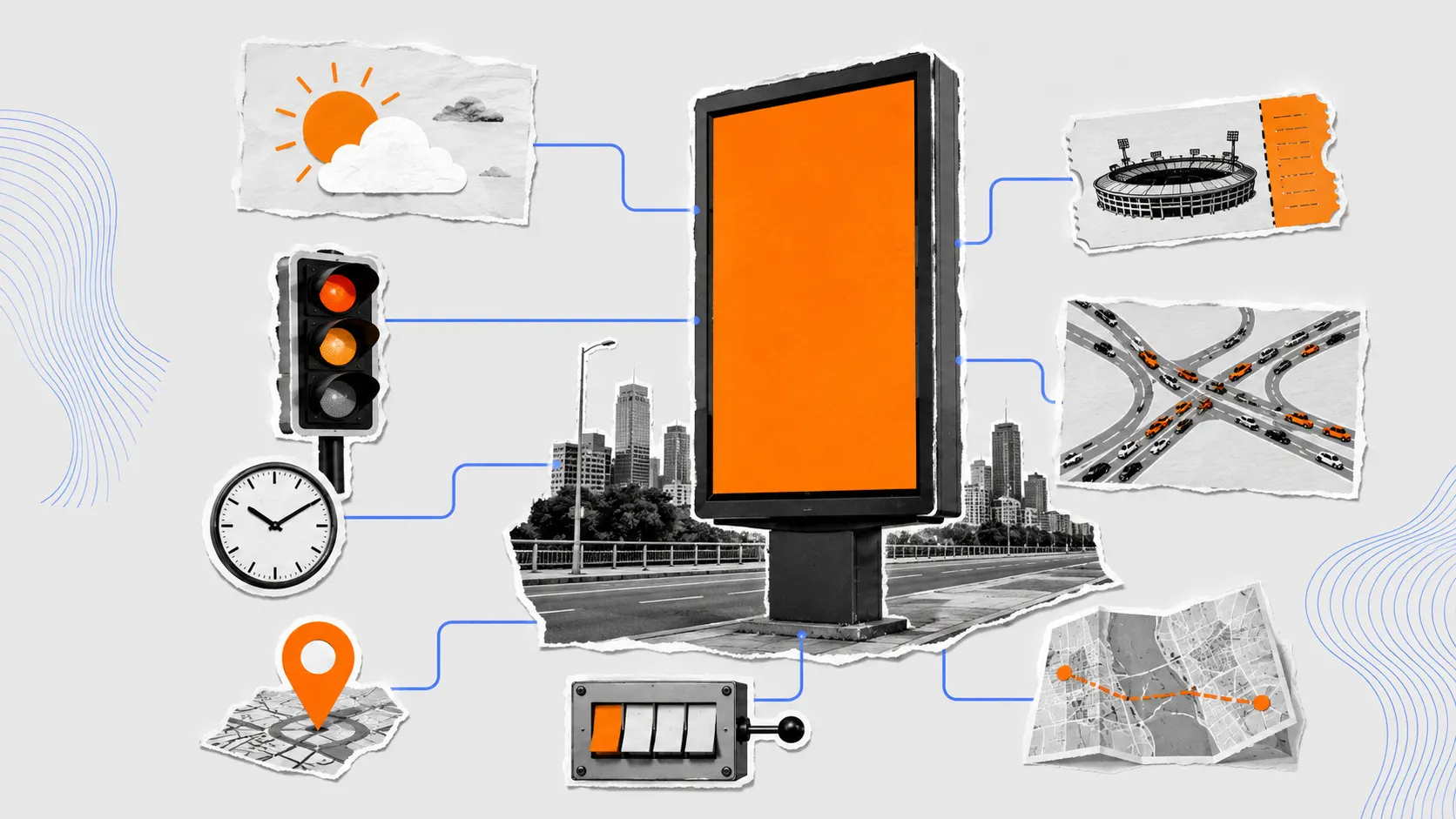
Each new screen that gets digitalized counts towards the growth of DOOH, and each buyer using automated planning tools only strengthens this momentum. The U.S. digital out-of-home (DOOH) ad spend surpassed $3 billion by 2024, according to Statista, with annual growth of about 7%.
- Real-time adaptation. DOOH ads are capable of functioning independently of weather, traffic, and also neighborhood occasions.
- Personalization. This is where brands can send localized messages to the right place, e.g., a hot day may mean it’s time for promoting iced drinks!
- Flexibility. Easily update content based on campaigns or special offers.
When advertising treats DOOH as context media, that is when it works best. Weather, location, time of day, traffic and local events can all vary which affects creativity on a screen.
Conclusion
The ten trends above all point the same way as the programmatic market evolves: buyers desire cleaner supply, improved targeting, stronger measurement and more control. Direct connections between SSPs and DSPs, Growth of CTV, cookieless targeting, in-game formats, DOOH, and cross-channel orchestration are no longer side topics. They influence budgeting and platform decisions.
When preparing for this shift, advertisers should fortify first-party data, experiment with CTV and in-game formats, revisit supply paths, and select tools that provide clarity in reporting. It is important for publishers and RTB partners to build direct integrations, ensure traffic quality, privacy compliance and define controls over their inventory.
BidsCube gives white label programmatic technology to advertisers, publishers and RTB partners seeking a higher level of control over their trading environment. The ecosystem includes DSP, SSP, and white-label Ad Exchange options for companies that want to manage buying, selling, and marketplace workflows under their own rules.
To prepare for current programmatic advertising market trends, start with the part of the stack that limits your growth today. Review BidsCube for the full ecosystem, or compare vendor reputation through BidsCube на Clutch.
Our tech staff and AdOps are formed by the best AdTech and MarTech industry specialists with 10+ years of proven track record!

FAQs
What Is The Biggest Trend In Programmatic Advertising Right Now?
The biggest programmatic advertising trends are direct SSP-DSP connections and cookieless targeting because both change how supply and identity work. CTV growth is also one of the top programmatic trends because it moves TV budgets into programmatic buying.
How Does Cookieless Targeting Work?
Unlike traditional targeting methods that depend on third-party cookies, cookieless targeting leverages first-party data, contextual targeting, Universal IDs, clean-room workflows and browser privacy tools. An example of a browser-level oriented privacy-leading advertising is Google Privacy Sandbox.
What Is In-Game Advertising In Programmatic?
Programmatic in-game advertising automated the purchasing of ads placed in game environments. These can come in the form of branded items, in-game billboards, sponsored events or as content that allows rewarded video and intrinsic placements that do not disrupt gameplay.
How To Prepare For Programmatic Trends?
To prepare for programmatic marketing trends, strengthen first-party data, test CTV formats, review supply paths, and consider white-label DSP or SSP infrastructure for more control. BidsCube DSP can support demand-side buying, while BidsCube SSP can support supply-side monetization.


