



Agencies, advertisers, ad networks, and adtech startups often reach the same decision point: should they buy media through a ready-made self-serve demand-side platform (DSP), or run campaigns through a white-label platform under their own brand? The answer matters because the DSP model affects control, costs, data access, client trust, and how fast a company can grow its programmatic business.
Table of Contents
A self-serve DSP represents what programmatic experts commonly call a traditional DSP. It is a platform designed for automated media buying through real-time bidding auctions. Advertisers bid for impressions in real time, and the highest eligible bid wins the placement. The term “self-serve” means that customers handle their campaigns independently, without relying on third-party campaign managers.
A white-label DSP is different. It gives a company a ready-made programmatic buying platform that can be branded, configured, and operated as its own product. Instead of using another vendor’s visible interface, logo, and fixed workflow, the company can run advertising services under its own name.
This article is for agencies that want to resell programmatic buying, advertisers who want more control over their data and performance, and adtech startups that want to build a branded DSP without having to roll your entire stack from scratch. It compares white-label DSP vs self-serve DSP, outlines the long and short of each model, and illustrates when to choose one over the other.
Self-Serve DSP vs White-Label DSP: Quick Comparison
White label DSP vs self serve DSP is all about control, cost and scale. A white-label DSP is under a company’s control and can be branded with its name without changing core functionality, thus offering greater ownership over campaign logic and algorithms, data usage, and the overall look and feel for clients. The self-serve DSP is essentially an out of the box solution with defined processes where advertisers buy and run campaigns by themselves.
Self-serve is obviously better for low budgets, rookie teams and if you want a fast track to access but don’t want ownership of the platform. White-label is a great platform for agencies, ad networks or adtech companies that require branding, margins management, branded workflows, and ownership of their platforms for a long duration.
Trade-offs Between White-Label and Self-Service DSPs

Compared to a self-serve DSP, a white-label solution provides more versatility due to more functions and customization possibilities. But with this flexibility comes greater responsibility and higher setup costs. For instance, if you are new to programmatic advertising and unfamiliar with SSPs, a self-serve DSP will provide you the flexibility to connect with an ad-exchange and make your advertisements running swiftly.
An organization operating a white-label demand-side platform could also require the linking of provide companions, the managing of visitor guidelines, the solution for reporting logic and will need to pay a generation fee on top of media spend.
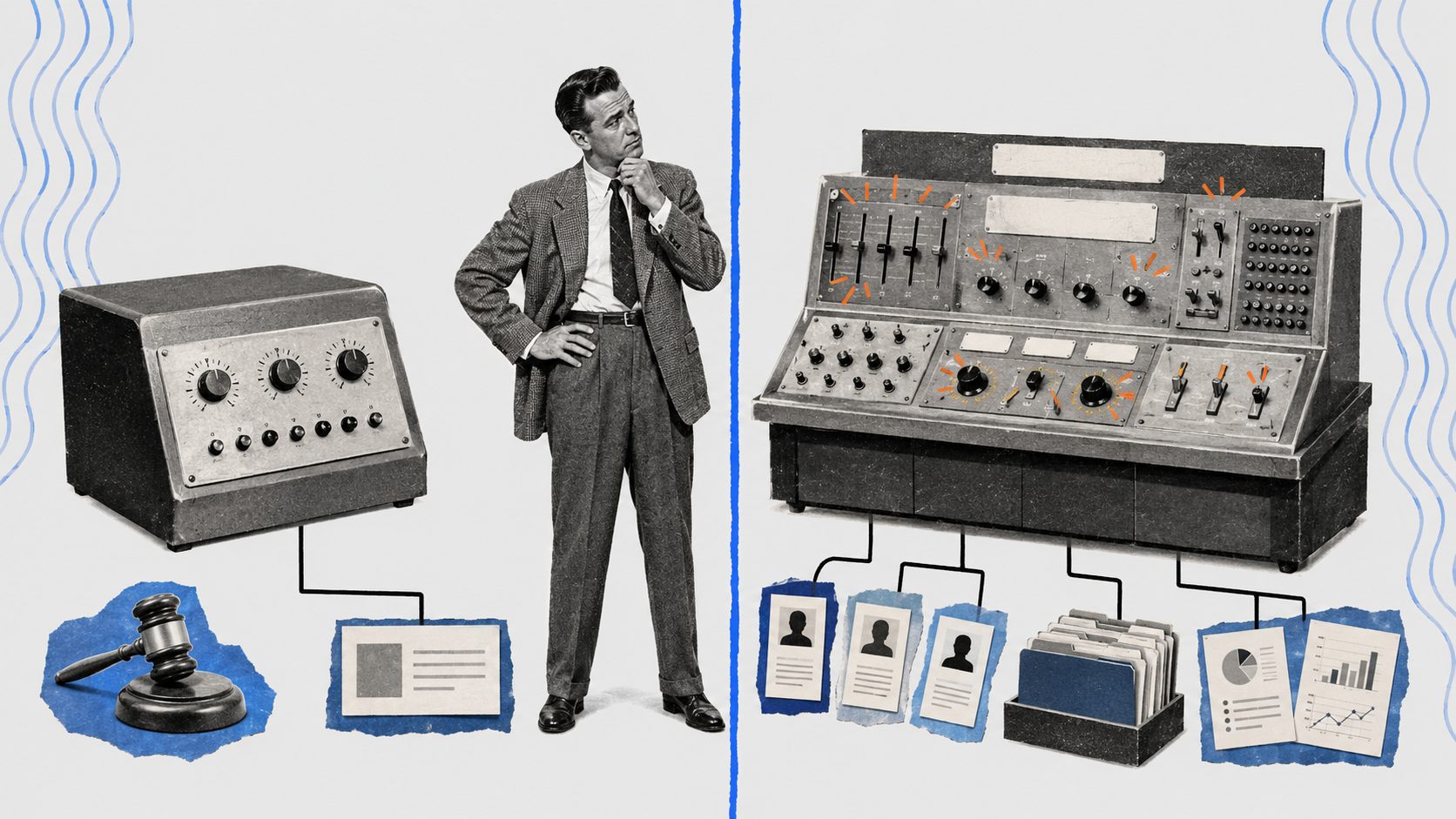
White-label DSPs let businesses customize their branding, so the platform matches their identity. In contrast, self-serve DSPs often keep the vendor’s logos, interface patterns, and fixed design. Brand consistency matters when an agency or ad network sells programmatic services to clients. A branded platform can support trust and make the service look like a direct part of the company’s offer.
A white-label DSP also gives full control over features and user experience. Unlike self-serve DSPs, which usually come with predefined settings, a white-label DSP can support custom algorithms, reporting views, permissions, optimization rules, and data workflows. This gives teams more freedom to shape campaign logic around their own goals, not just the vendor’s default setup.
The same logic applies if you operate across both buy-side and marketplace layers. A company that needs its own trading layer can connect DSP operations with a white-label Ad Exchange for more control over supply, demand, and partner rules.
| Parameter | Self-Serve DSP | White-Label DSP |
| Branding | Vendor branding is usually visible | Full platform branding under your company name |
| Setup speed | Faster start | More setup work, but more control |
| Customization | Limited to available settings | Broader control over workflows, UI, reports, and logic |
| Data ownership | Data access depends on vendor rules | More control over first-party data and client data |
| Support | Standard support or help center | Dedicated support and technical guidance |
| Cost model | Lower entry cost | Higher setup or tech fee, stronger margin potential |
| Best fit | Small advertisers, beginners, one-off campaigns | Agencies, ad networks, resellers, and adtech startups |
| Scalability | Easy to start, harder to differentiate | Better for building a long-term programmatic business |
The main differences between WL and SS DSP appear in branding control, data ownership, support level, and the ability to build a resale model. This is the practical core of white-label DSP and self-serve DSP comparison. One model gets you started faster. The other helps you build a platform-based business with more control.
Benefits of Investing in a White-Label DSP
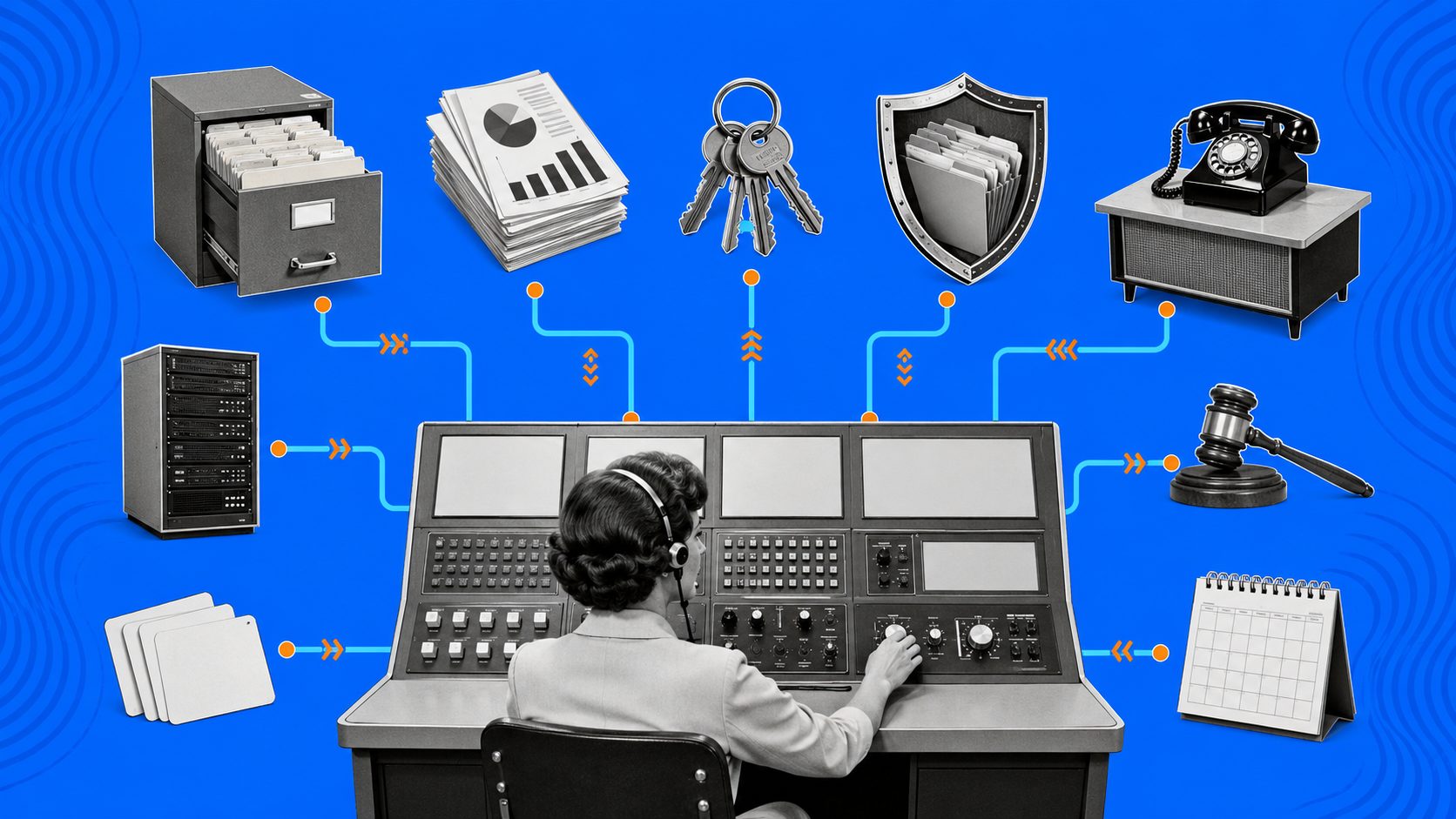
While investing in a white-label DSP may have higher initial costs, the return on investment (ROI) definitely surpasses that of self-serve DSP in the long run. A white-label DSP offers a company the flexibility of a bespoke buying platform, adapting to its business model, client structure, and campaign needs.
In contrast to self-serve platforms with ugly boxes around targeting settings, campaign permissions to restrict reach, reporting views that need a degree in rocket science to customize and optimization rules, A white-label DSP empowers teams to do the following:
A major benefit is first-party data ownership. With a self-serve DSP, data use often depends on the vendor’s platform rules. Agencies and ad networks can create their own data strategy, structure audience records, link CRM or partner data and maintain client relationships with a white-label platform. When clients care about transparency and long-term data value, this translates into a competitive advantage.
A white-label DSP can also improve client retention. If clients log in to a branded platform, see custom reports, and work within the agency’s environment, the service feels more complete. The company is not just buying ads through someone else’s tool. It is offering its own programmatic product.
For agencies, the differences between WL and self-serve DSP become most visible when clients need branded dashboards, custom reports, and separate access roles.
One significant advantage of using a white-label DSP is dedicated support and ongoing updates. White-label solutions typically involve more direct technical assistance, which is a key consideration when campaign logic, integrations or supply connections require support. This type of support comes in very handy for brands that have a large campaign setup or firms that work with multiple clients.
Regular product updates also matter. Programmatic changes pretty quickly: new formats, browser limitations, privacy guidelines and supply-side benchmarks will play a role in how you set up your campaigns. With a white-label provider in place, the platform works towards staying relevant, while you focus on sales, client service and expanding your campaigns.
In short, self-serve DSP and white-label DSP serve various requirements. Self-serve is convenient. If your business goal is ownership, differentiation and repeatable service, white-label sounds like a great fit.
When to Choose a White-Label DSP and When Self-Serve Is Enough
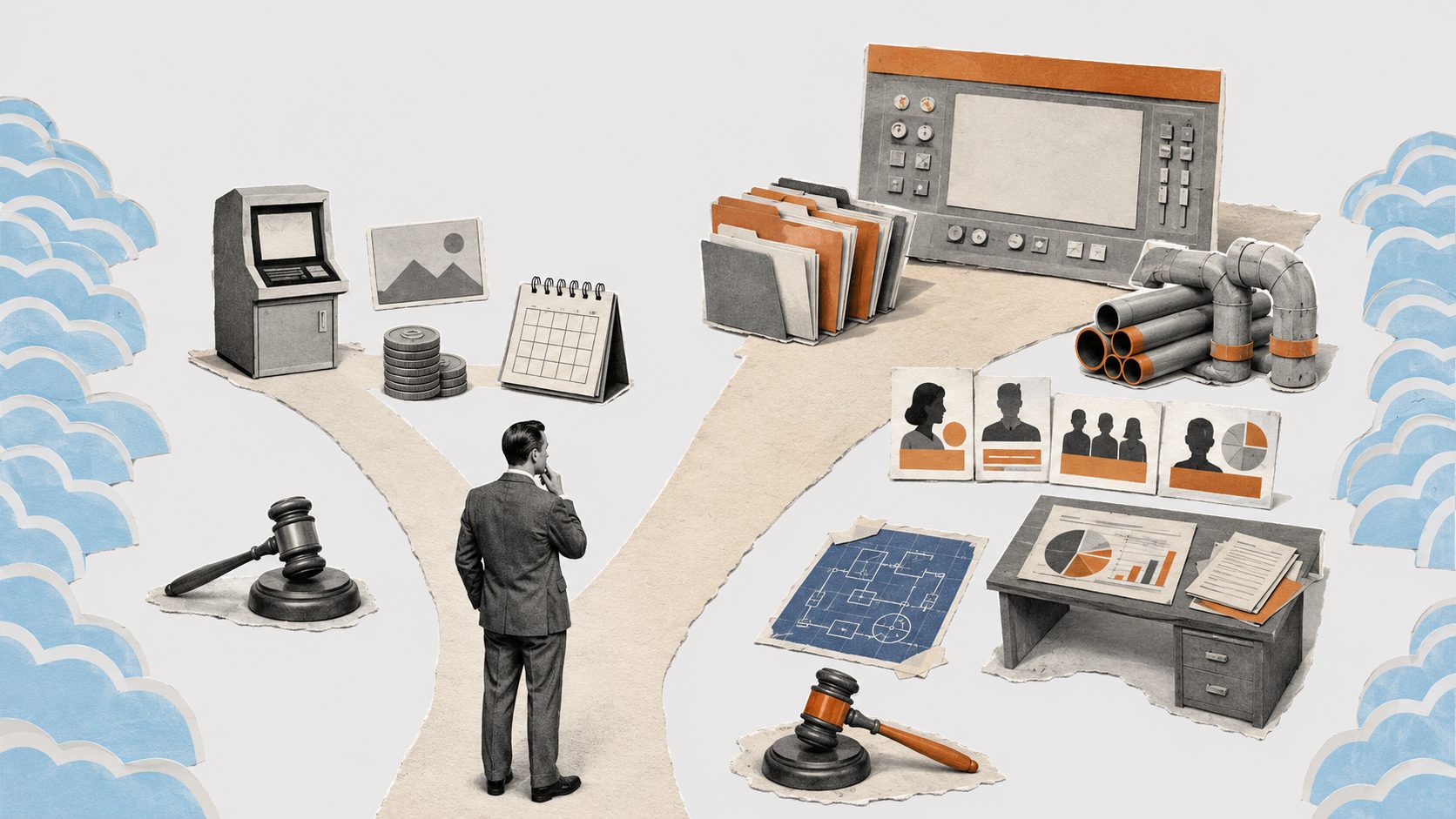
It is a matter of business maturity, budget, the team’s skill set, and growth plans. With self-serve DSP vs white-label DSP, there is no one winner for every company in the ad-tech industry
- A self-serve DSP is enough when the team wants to test programmatic without building an owned platform. Advertisers with shoestring budgets (and limited internal ad ops expertise) will find it attractive, as will those who have no desire to resell services under their own brand. A team signs up, uploads creatives, configures targeting, funds the campaign and starts buying.
- A white-label DSP fits companies that want a branded programmatic product. Agencies can sell managed media buying through their own interface. Ad networks can add demand-side buying to their existing offer. Adtech startups can enter the market without spending years on platform development.
Some companies use both models. They test budgets, formats and audience response with self-serve. When they get demand from clients, or internal teams, confirmed, they shift to white-label for brand control, margin control and tighter data ownership.
| Company Profile | Recommended DSP Type | Why |
| Small advertiser testing programmatic | Self-serve DSP | Low entry cost and fast campaign launch |
| Agency with several paid media clients | White-label DSP | Branded platform, margin control, and client reporting |
| Ad network adding demand-side services | White-label DSP | Ability to resell media buying under its own brand |
| Brand with occasional display campaigns | Self-serve DSP | No need to operate a full platform |
| Adtech startup launching a buying product | White-label DSP | Faster market entry than building from scratch |
| Company moving from testing to scale | Start self-serve, then move to white-label | Lower early risk, then more control as budgets grow |
The white-label DSP vs traditional DSP choice often comes down to ownership. A traditional DSP gives access to media buying. A white-label DSP gives access to a business model.
The same applies to traditional DSP vs white-label DSP decisions. If your main need is simple campaign execution, traditional or self-serve can be enough. If your goal is to own the platform experience, keep clients under your brand, and manage platform economics, white-label is usually the stronger path.
From BidsCube’s perspective, the practical sign is simple: if your team keeps asking for custom branding, custom reports, client access roles, supply control, and better data visibility, self-serve has likely become too narrow.
Conclusion
For many businesses out there, the choice of traditional DSP vs white-label DSP comes down to a platform that can provide them with more control over branding, data, reporting and campaign workflows. This is where self-serve comes in handy for a quick rollout but white-label gets more robust in the case when an agency, ad network, or adtech startup wants to develop a programmatic service that they can repeat over and over again under their own branding.
BidsCube white-label DSP allows companies to brand their own demand-side platform, manage campaigns in an organized manner, supply connection which helps you build a more efficient service model surrounding the programmatic buying. Your data is yours, you just have to pay a certain periodic volume fee and this creates the differences between WL and SS DSP: white-label itself gives ownership, self-serve provides access.
If you are still uncertain whether white-label is a good solution for you or not, then first check your business objectives. Self-serve may suffice if you require campaign access only. If you are interested in getting your platform with your own brand, client control, and long-term margin opportunities, you can contact BidsCube and talk with our experts about your preferred white-label DSP setup.
You can also review BidsCube на Clutch as social proof during vendor checks.
Our tech staff and AdOps are formed by the best AdTech and MarTech industry specialists with 10+ years of proven track record!

FAQs
What Is The Main Difference Between White-Label DSP And Self-Serve DSP?
A white-label DSP provides a business with its own branded platform that allows it to have more control over campaign logic, reporting, and overall user experience. A self-serve DSP is an out-of-the-box solution with faster onboarding, less personalization and lower ownership.
How Much Does A White-Label DSP Cost?
Cost of the white label DSP depends on many factors including: provider itself, traffic volume, feature set, support model and integration scope. As platform setup can differ according to a business model and tech requirements, BidsCube offers white-label pricing on request.
Can I Switch From Self-Serve To White-Label DSP?
This process is iterative; a business can start on its own self-serve DSP and upgrade to a white-label DSP as the budgets, customers or campaign requirements change. For anyone that has successfully tested programmatic buying but requires a branded platform, then BidsCube can assist with migration planning.
What Are The Key Benefits Of A White-Label DSP For Agencies?
Another type of solution is a white-label DSP, where agencies can sell programmatic services under their own brands, manage margins, control access by client and customize reporting. These are the main differences between WL and self-serve DSP for agency business models.
Is A White-Label DSP Better Than A Traditional DSP?
A white-label DSP makes sense for businesses that want to brand supply, have full control over the platform, own their source of first-party data and resell it. In white-label DSP vs traditional DSP debate, a traditional DSP works better when the company needs simple campaign access without owning the platform workflow.


